Revamp Your Outdoor Area: Tips From a Professional Landscaper
Revamping a backyard area demands deliberate assessment and preparation. A skilled landscaping expert emphasizes the importance of reviewing the present outdoor features and outlining dedicated sections for diverse activities. Adding hardscape features can enhance the functionality of the space. In addition, selecting the right plants and lighting can considerably affect the overall atmosphere. Grasping these key components is vital. How can one successfully execute their outdoor design goals?
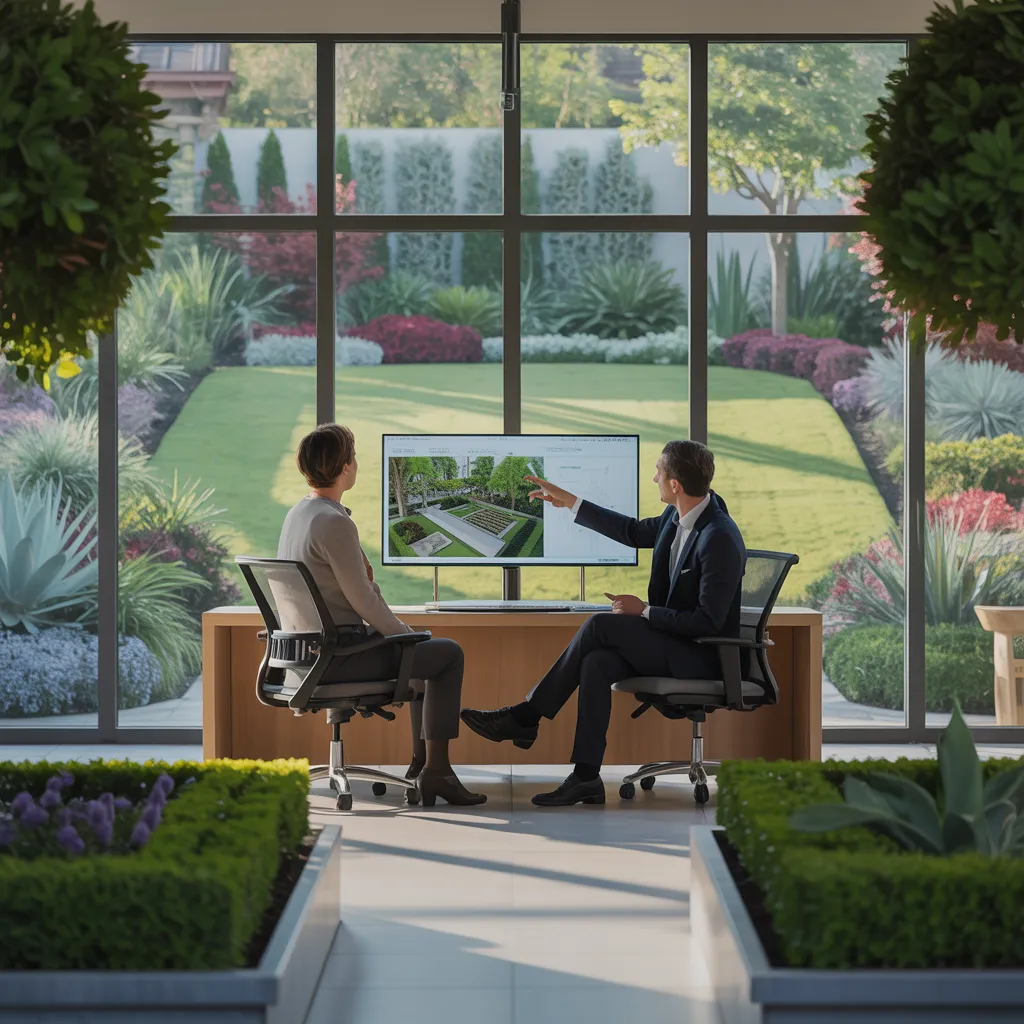
copyrightine Your Outdoor Area: Pinpoint Important Improvements to Consider
What is the best way to assess an outdoor area to determine needed improvements? To begin, a comprehensive assessment of the space is necessary. This includes copyrightining the functionality of existing features such as pathways, seating, and lighting. Studying how these features function in relation to each other can highlight areas for evidence development. Moreover, one should assess the current state of plants and garden materials, taking note of areas that could benefit from repair or substitution.
Next, gauging the area's practicality is crucial. Do dedicated areas exist for relaxation, entertainment, or gardening? Spotting overlooked areas can expose chances for upgrading. Natural conditions, including sunlight and drainage patterns, should likewise be evaluated, as they impact plant health and overall enjoyment.
Lastly, seeking opinions from family members or frequent visitors can provide valuable insights. Through blending direct observations with external perspectives, a detailed plan can be established for making impactful changes to the outdoor environment.
Discover Your Style: Picking the Best Design for Your Outdoor Space
Choosing the ideal style for a outdoor space starts with determining individual tastes. Exploring different landscaping styles can assist people design a space that reflects their style and meets their needs. By carefully considering these aspects, homeowners can convert an exterior space into a harmonious and welcoming sanctuary.
Determine Your Preferences
When defining the style of a garden, it is essential to consider personal style and the overall aesthetic vision. The journey starts by assessing personal preferences, whether drawn to modern minimalism, rustic charm, or vibrant tropical themes. A thoughtful consideration of color palettes, plant types, and landscape features can help shape decisions aligned with one's vision. Beyond aesthetics, practical elements such as climate, maintenance levels, and available space must be factored into choices. Thinking about the primary function of the garden—whether for hosting guests, unwinding, or cultivating plants—helps to narrow down preferences. At its core, defining these components builds a harmonious plan that elevates the exterior space and embodies the resident's individuality and daily habits, laying the groundwork for an authentically customized garden journey.
Browse Garden Themes
Discovering outdoor garden concepts allows property owners to create a distinct garden appearance that aligns with their preferences and lifestyle. Various themes, such as cottage, modern, or Mediterranean, offer distinctive features that can be customized for specific desires. A traditional cottage-style garden, known for its informal layout and diverse plantings, conveys charm and warmth. On the other hand, a contemporary outdoor space emphasizes sleek design and simplicity, often incorporating paved surfaces and modern elements. Mediterranean garden styles cultivate a sense of tranquility, featuring water-wise vegetation and bold hues. In choosing a garden style, home dwellers should take into account local weather conditions, upkeep needs, and individual taste. At its core, a well-chosen garden theme not only enhances the aesthetic beauty while also establishing a unified exterior environment that expresses the homeowner's identity.
Incorporate Hardscaping for Structure
To enhance the overall design of an outdoor space, adding hardscaping components delivers fundamental structure and harmony. Hardscaping encompasses the non-living elements such as patios, walkways, retaining walls, and decorative stones that create defined spaces within the landscape. These elements contribute to both functionality and aesthetics, channeling movement and defining key focal points.
To illustrate, a carefully situated stone pathway can lead guests through a garden, while a raised patio can act as an outdoor living area, offering a clear transition from the home to the yard. Additionally, integrating materials like brick, pavers, or natural stone can enhance the appearance and resilience of the space.
Incorporating hardscaping not only cuts down on maintenance by minimizing grassy areas but also enables creative designs that showcase personal taste. Ultimately, these features lay the groundwork for a harmonious outdoor environment, integrating naturally with the natural surroundings.
Choose the Best Plants for Your Climate
When selecting plants for exterior areas, understanding the local climate is vital. This knowledge allows for the selection of native plants, which are often more resilient and better adapted to the environment. By picking the most suitable plant types, landscapers can boost their outdoor space's longevity and attractive qualities.
Assess Your Local Climate
Comprehending the local weather patterns is crucial for identifying suitable plants, as it significantly impacts their thriving and endurance. Elements including temperature ranges, relative humidity, precipitation, and sunlight availability serve a critical function in establishing which plants prosper. For instance, zones with scorching summers and moderate winters may benefit drought-hardy specimens, while localities with high moisture levels might sustain water-dependent plant species. Horticulturists should also factor in seasonal transitions and microclimate conditions within their outdoor environment, as these can significantly influence plant health and growth. By assessing regional climate conditions carefully, gardeners can develop a tailored planting strategy that not only enhances aesthetic appeal but also fosters a sustainable and resilient garden ecosystem. This technique yields more vigorous plants and minimized care demands.
Native Plants Benefits
Selecting native plants for a garden aligns well with the insights gained from copyrightining the local climate. These species are naturally suited to local conditions, requiring less water, fertilizer, and maintenance compared to non-native species. They thrive in specific soil types and weather patterns, fostering healthier ecosystems. Moreover, native plants draw in local pollinators, such as bees and butterflies, which are vital for biodiversity. When including native species, homeowners can create sustainable landscapes that sustain wildlife while boosting the aesthetic value of their outdoor spaces. Beyond that, these plants often display resilience against pests and diseases common to the area, minimizing the need for chemical interventions. At its core, selecting native plants cultivates a harmonious relationship between the garden and its surrounding environment.
Create Ambiance With Outdoor Lighting
Establishing the ideal atmosphere with exterior lighting can transform any space into a cozy retreat. Thoughtfully arranged fixtures can accentuate structural details, walkways, and landscaping, enhancing the overall aesthetic. Soft, warm lighting is ideal for creating an inviting atmosphere, while fairy lights or decorative lanterns can lend a magical quality to open-air occasions.
Specialists advise layering light sources to achieve depth. For instance, integrating ambient, task, and accent lighting can achieve a harmonious lighting effect. Installing motion sensor lights improves home security while also delivering efficient light coverage.
Furthermore, dimmers provide flexibility, facilitating adjustments to suit any event. Solar lights serve as a sustainable solution that needs very little maintenance, making them suitable for various outdoor settings. In the end, thoughtful outdoor lighting not only enhances safety but also invites relaxation and social interaction, turning any outdoor space into a more pleasant environment.
Make Your Space Your Own: Styling Tips to Enhance Your Garden
Outdoor spaces can be truly enhanced by introducing unique details that express unique personality. Incorporating one-of-a-kind garden accessories, such as decorative statues or wind chimes, can create focal points that attract notice. Opting for colorful containers or decorative vessels infuses lively color, while garden trellises featuring climbing greenery introduce vertical interest.
Personalized seating areas, featuring cushions in varied patterns and textures, invite relaxation and conversation. Landscape paths accented with pebbles or engaging stepping stones can guide visitors through the space, enriching the complete journey.
Including features like butterfly feeders or birdhouses attracts local wildlife and enhances visual appeal. In addition, using seasonal accents, such as fall gourds or springtime blooms, helps the garden stay dynamic and appealing throughout the changing seasons.
Keep Your Oasis: Essential Care Tips for Lasting Beauty
Caring for a lush garden needs ongoing effort to ensure its splendor persists through the seasons. Frequent watering is crucial, particularly during droughts, making sure that plants receive the right amount without turning waterlogged. Spreading mulch around plants helps hold in moisture and prevent weed growth, contributing to a stronger garden. Trimming is another essential duty; it fosters vigorous growth and cuts out dead or diseased growth. Fertilizing should be tailored to each plant's requirements, supplying essential nutrients for radiant blooms and dense foliage.
Weed management is essential; taking preventive measures reduces resource competition. Regular seasonal checks help detect pests or diseases at an early stage, making it possible to address issues before they escalate. In addition, essential lawn upkeep practices like mowing and aeration help achieve a refined and well-kept look. By following these essential maintenance guidelines, an outdoor space can thrive, evolving into an enduring haven that captivates and inspires throughout the seasons.
Get the Most Out of Your Outdoor Space at Night
How can one truly appreciate an outdoor space when night arrives? Strategic lighting completely changes the mood, showcasing landscape details and establishing charming paths. Gentle, warm illumination can accentuate trees and shrubs, while string lights add a whimsical touch. Introducing lanterns or candlelight enhances the cozy atmosphere, ideal for gatherings or quiet evenings.
Additionally, incorporating fire pits or outdoor heaters extends usability, offering warmth and comfort during cold evenings. Acoustic elements, such as water features or soft music, can elevate the overall sensory experience, making the space feel more alive.
Furniture selections also serve a significant purpose; inviting seating promotes relaxation and conversation. Additionally, think about adding night-blooming plants to introduce fragrance and visual appeal once darkness falls. Through careful attention to these details, one can craft a captivating outdoor retreat that comes alive in the evening, welcoming discovery and delight well after the sun goes down.
Frequently Asked Questions
How Should I Budget for a Landscaping Project?
To budget for a landscaping project, it is important to evaluate the desired features, collect estimates from professionals, factor in materials and labor costs, and set aside a contingency fund for unforeseen costs along the way.
What Are the Ideal Times of Year for Landscaping?
The optimal times for landscape work are usually early spring and fall. Throughout these periods, temperatures are moderate, allowing plants to establish roots ahead of winter cold or summer warmth, promoting healthier growth and optimal outcomes for landscaping projects.
Should I Do Landscaping Myself or Hire a Professional?
People may decide to take on landscaping independently or hire a professional, depending on their expertise, schedule, and scope of work. Assessing one's skills and goals generally guides the best course of action for landscape planning.
What Is the Best Way to Choose a Landscaper for My Project?
To choose the right landscape specialist, homeowners should copyrightine portfolios, consult references, consider experience, and guarantee alignment with their project vision. Moreover, gathering multiple quotes can assist in gauging pricing and available services for informed decision-making.
Which Common Landscaping Mistakes Should I Watch Out For?
Frequent errors in landscaping involve planting too densely, overlooking soil quality, disregarding local climate, neglecting maintenance needs, and failing to account for growth. Adequate research and well-considered design strategies can help sidestep these challenges for a flourishing landscape project.